
Killing Your Darlings | How To Deal With Character Deaths

Deaths-Characters

Image via Pixabay

Writing character deaths is a tricky task that many writers grapple with. Due to the huge prevalence of death in fiction, it has increasingly become a theme writers feel they have to include.

Most notably, literature that gets showered in accolades often includes the tragic deaths of all manner of loveable characters. Parental figures, faithful pets and best friends are the most common victims.

Awards given to books aimed at younger audiences, such as the Newbery Medal and Michael L. Printz award, often seem to seek out the most poignant, shocking deaths that catapult protagonists into maturity.

Books like Bridge To Terabithia and Looking For Alaska are famed for cutting adolescent romance short with sudden death, while Charlotte’s Web made audiences weep over a dying spider.

Gordon Korman, in No More Dead Dogs, jokes that:

The dog always dies. Go to the library and pick out a book with an award sticker and a dog on the cover. Trust me, that dog is going down.”

All of this begs a few questions. Has death in fiction become a cheap gimmick, included with the sole intention of nabbing awards? Do writers have to include death for their story to have emotional depth?

Whatever the answer to these questions, it’s undeniable that death is a theme with enduring relevance. As long as you take steps to ensure character deaths are written with care, with the grand scheme of your narrative always in mind, its presence in your writing won’t be cheap.

Here are a few pointers for dealing with death in your fiction.

Remember the Significance of Death

An important step in understanding death in fiction is pondering its significance to audiences, and considering why it’s one of the most frequently portrayed themes. Human mortality has been reflected upon since the birth of literature, often elevating writing and provoking thought among readers about the nature of life.

Modern writers often see death as a theme of universal value, the ultimate existential dilemma. Without fail, the theme can rouse feelings of anxiety and fear, while also potentially opening up avenues to self-discovery and coming-of-age. Additionally, death has great symbolic importance as part of the natural cycle of birth and decay.

With all this to consider, it’s easy to see why death often wins writers’ awards. But it’s important to be honest with yourself as a writer, and to consider what the idea of death means in the unique context of your story. It’s too metaphysical and powerful a theme to simply shoehorn into a narrative.

This brings us to our next piece of advice: ensuring there are valid reasons for including character deaths in your story.

Have a Reason for Every Character Death

There are many reasons why death can be important to a story, and many ways it can add depth to situations. Having specific reasons for including death in your story can help you craft significant death scenes effectively.

Let’s take a look at some of the reasons you might incorporate a character death into your story.

Tension building

The death of characters can seriously raise the stakes. It throws the characters into a state of immediacy, where danger is imminent and the audience becomes quickly invested due to escalating tension.

For example, in the Harry Potter series, the deaths of major mentor figures Sirius Black and Professor Dumbledore signalled the fact that Harry was on his own, left to face an increasingly deadly foe without the safety of his childhood tethers.

Incorporating death can also create an atmosphere of dread and mystery. In some instances, it can clearly communicate the wickedness of an antagonist.

A brief glance at lists of top villains in literature demonstrates how compelling villains often leave a bloody trail in their wake, which adds to their menacing personas – especially when their true identities are not immediately known but the deaths they cause pack a narrative punch.

Significant emotional impact

If grief, guilt, horror and other feelings associated with death are conveyed successfully, the audience will have a strong emotional response. A great way of learning how to create a lasting emotional impression is to look for what others consider great death scenes.

What pulls on heartstrings will always be quite a subjective and varied affair, but steering clear of over-the-top melodrama will be your best bet.

The Guardian‘s article on the greatest death scenes in literature displays that readers and writers alike are captivated by scenes which play on universal human emotions such as desperation, denial and existential fatigue. Other lists of great deaths show how death scenes accompanied by graphic detail can also often trigger a visceral response, especially when paired with the emotional trauma of characters.

Study what you find striking in death scenes. What makes your heart hurt or beat faster? Additionally, look for what you find lacklustre or unconvincing.

Have you ever read a hokey death scene where a parent dies because the author doesn’t know what to do with them, or scenes where crying cancer patients are milked for all their dramatic worth?

Be careful not to venture into the realm of purple prose. Think clearly about what strong feelings you wish to trigger in your audience and learn the art of subtlety.

Creating change

Death can be a motivating factor for growth or self-discovery. It can even be an impetus for characters to shift their habits and lifestyle, which can pose interesting challenges and drive the story.

In Stephen King’s short story The Body, death has a heavy impact on the coming-of-age of the main character, Gordie. He is unable to properly grapple with his older brother’s death, but finds himself on a quest to find the body of a dead neighbourhood boy – a journey that pushes him into the realm of adulthood as he slowly understands the bleak aspects of life.

A focus on death can also change the way audiences view historical events, and can make us reflect over existential questions.

The bombings of Hiroshima and Nagasaki prompted fierce debate over whether the event was justified. John Hersey’s famed non-fiction book Hiroshima took a human interest angle that detailed the graphic death and injuries of bombing victims in stark, factual language.

The book triggered stronger discussion over the horror of the event, the hopelessness of war, and life in the nuclear age.

When to avoid and embrace predictability

George R. R. Martin, author of the A Song of Ice and Fire series, is famous for the fact that any one of his characters – no matter how important – can die. He states:

I’ve been killing characters my entire career. Maybe I’m just a bloody-minded bastard, I don’t know, [but] when my characters are in danger, I want you to be afraid to turn the page [and to do that] you need to show right from the beginning that you’re playing for keeps.”

The unpredictability attached to Martin’s character deaths enlivens his stories. But being unpredictable doesn’t mean writing death scenes purely to shock or pull cheaply on heartstrings.

Instead, it means playing with audience expectations, while remaining true to your characterisation and the intent of your overall story.

Think about whether or not there are predictable patterns in your writing, whether you always kill off characters due to aimlessness in your plot, or whether you lean on killing a certain type of character, such as a family member.

Also ponder over the predictability of your prose. Do you lean on cliched phrases and flowery descriptions to get an emotional point across? Perhaps incorporating some of these tips on how to add realistic details to death scenes can make your scenes seem unique and tangible.

Deaths-Characters2

Image via Pixabay

One of the greatest joys of reading is not knowing what to expect, and feeling as if the outcome is not only surprising but also credible. Conversely, it can also be satisfying if the plot goes to a place you do expect, but is dealt with in a fresh and interesting way.

Death scenes we do expect can become infinitely more valuable if the aftermath and the way characters react bring us to new places.

For instance, in Donna Tartt’s acclaimed novel The Secret History, the murder of a main character is revealed in the first few sentences. Although we know death is coming, we become enraptured by the well-drawn characterisation of the doomed murderers and the friend they will inevitably kill.

In this way, our expectation of death makes everything that comes before it more engaging, as the author delves into the psychosis of characters and makes us guess what will push them over the edge. This type of emotional tension makes death fresher, as it gains a more foreboding presence.

When the death scene comes, we become gripped with greater emotional tension as we ponder over what will happen next. The initial questions are simple. Will they be caught? How will they talk their way out of this?

What follows is what makes the novel special, as the the author interweaves feelings of intense moral conflict and unexpected grief to prompt characters to behave in erratic and passionate ways.

This effectively demonstrates the full storytelling strength of death as a theme, when it’s used in a way that is both predictable but powerful.

Ask yourself: do I need to include character deaths?

Judges in the writing industry often seek the sorrow and existential angst that death brings. It’s no wonder that many writers gravitate towards this concept, trying to portray it in ways nobody has before.

However, as a writer, it’s important to ask yourself if you’re merely killing a character because you don’t know how else to elevate your story. By including character deaths, are you being true to your vision?

Keep in mind the significance of death scenes, while also learning death-free ways to deal with situations.

Aristotle states that to master the art of tragedy, one must elicit feelings of both horror and pity. These strong feelings don’t always require the presence of death and maudlin depictions of grief.

Lisa Genova’s Still Alice is famously heartbreaking but features no death; instead, feelings of pity and sadness are triggered from something as complex and emotionally challenging as the deterioration of one’s mind, and by extension, sense of self.

The Coen brothers’ Inside Llewyn Davis also foregoes death for something that strikes a different, painful chord. It tells the story of a man trapped in overwhelming and constant failure, as he chases his dream of creative success.

The feelings of hopelessness, futility, fear, anxiety, and introspection tackled in these stories are varied and infinitely worth exploring.

***

Remember that tragedy, and any other situation with emotional depth, doesn’t always require a body count. Happy writing!

Via: https://writersedit.com/fiction-writing/effective-ways-deal-character-deaths/
Henry Miller’s 11 Commandments of Writing and His Daily Creative Routine

Henry-Miller

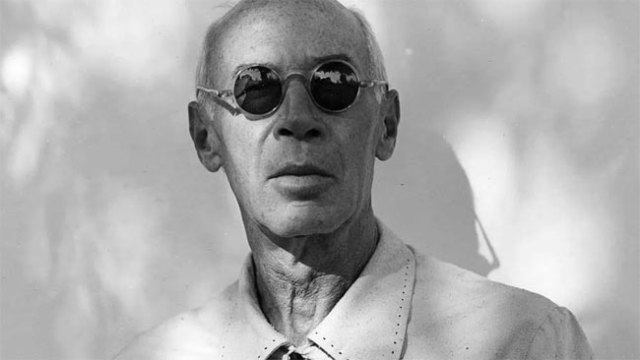
Henry Miller (26 December 1891 – 7 June 1980) was a prolific writer and painter. In 1932-1933, while working on what would become his first published novel, Tropic of Cancer, Miller devised and adhered to a stringent daily routine to propel his writing. Among it was this list of eleven commandments, found in Henry Miller on Writing:

COMMANDMENTS

  1. Work on one thing at a time until finished.
  2. Start no more new books, add no more new material to ‘Black Spring.’
  3. Don’t be nervous. Work calmly, joyously, recklessly on whatever is in hand.
  4. Work according to Program and not according to mood. Stop at the appointed time!
  5. When you can’t create you can work.
  6. Cement a little every day, rather than add new fertilizers.
  7. Keep human! See people, go places, drink if you feel like it.
  8. Don’t be a draught-horse! Work with pleasure only.
  9. Discard the Program when you feel like it—but go back to it next day. Concentrate. Narrow down. Exclude.
  10. Forget the books you want to write. Think only of the book you are writing.
  11. Write first and always. Painting, music, friends, cinema, all these come afterwards.

Under a part titled Daily Program, his routine also featured the following wonderful blueprint for productivity, inspiration, and mental health:

MORNINGS:
If groggy, type notes and allocate, as stimulus.

If in fine fettle, write.

AFTERNOONS:

Work on section in hand, following plan of section scrupulously. No intrusions, no diversions. Write to finish one section at a time, for good and all.

EVENINGS:

See friends. Read in cafés.

Explore unfamiliar sections — on foot if wet, on bicycle if dry.

Write, if in mood, but only on Minor program.

Paint if empty or tired.

Make Notes. Make Charts, Plans. Make corrections of MS.

Note: Allow sufficient time during daylight to make an occasional visit to museums or an occasional sketch or an occasional bike ride. Sketch in cafés and trains and streets. Cut the movies! Library for references once a week.

Wouldn’t it be great to add a little of his routine to yours, for a bit of daily inspiration!

***

Via: https://www.brainpickings.org/henry-miller-on-writing/

5 Things To Avoid When Writing Romantic Relationships

writing-romantic-relationships-3

Image via Pixabay

Ahh, romance. Not only is it a massively popular genre of its own, it’s also an extremely common element in countless other genres and categories – from literary fiction right through to sci-fi, fantasy and young adult fiction. However, writing romantic relationships isn’t easy. Just because it’s done often, doesn’t mean it’s always done right.

If you’ve ever struggled to write romantic elements, don’t worry, because you definitely aren’t alone. Many authors have trouble crafting authentic relationships between their characters. Even the most seasoned writers are at risk of falling prey to clichés, stereotypical character tropes, and love stories that don’t quite ring true…

So whether you’re writing a romance novel or a book in any other genre that contains elements of romance, read on for five key things to avoid when writing romantic relationships.

1. Forgetting about conflict and tension

Conflict and tension are the elements that keep all stories moving. They draw readers in, get them invested in the story and the characters, and keep them turning pages.

This is no different when it comes to writing romantic relationships. The build-up of tension, and even outright initial conflict, between two people who are attracted to each other is a huge part of what many readers love about romance.

However, there are actually two potential mistakes to be made here:

  • Not maintaining conflict and tension in other aspects of the story apart from the romance.
  • Not keeping conflict and tension present after characters end up together.

In the first instance, you might be writing a story in which there’s a great amount of plot-pushing conflict and sizzling tension between your two romantically inclined characters. But in putting so much effort into the romantic conflict and tension, you might have forgotten to inject these elements anywhere else in the story.

Now, this can be more easily forgivable if you’re writing strictly within the romance genre. After all, the relationship, its development and all its ups and downs are what romance readers are here for. But do keep in mind that there needs to be other story elements as well, and that they should involve some measure of conflict to keep the story moving.

If you’re writing romantic relationships within genres other than romance, however, you need to be especially careful to keep up the conflict and tension in your story’s other areas.

Always remember which genre you’re primarily writing in, and who your target market is.

If you’re writing fantasy or one of its subgenres, for example, by all means weave a romantic element throughout. But keep in mind that the majority of your conflict and tension should come from the other aspects of your story, such as magic, politics or a character’s quest.

(If you find yourself focusing more and more on the romantic aspects of your writing to the detriment of other plot points, perhaps it’s time to reconsider which genre you really want to be writing in after all!)

The second potential mistake to be made is building up to the climactic point in which two characters finally end up together – and then instantly forgetting about conflict and tension altogether.

It’s all well and good to get caught up in developing the build-up to a romantic relationship; as we said before, that’s a favourite aspect of romance for many readers. However, it’s important to keep that all-important conflict and tension running through your story even after your characters get together.

Remember that in real life, no relationship is perfect. No fictional relationship should be perfect, either.

And even if your characters are pretty damn happy now they’re together, there still has to be some type of conflict throughout the story that will affect them – both individually and as a couple.

2. Creating stereotypical characters

Stereotypical characters are found in every genre and style of book. But unfortunately, they’re a little more likely to appear wherever romance is involved.

You’ve no doubt come across some pretty unbelieveable, cringeworthy or two-dimensional characters in a romance novel, romantic comedy movie, or any other story with romantic elements.

Whether it’s the broody, sulking man with a troubled past and a soft heart, the manic pixie dream girl, or simply a ‘Mary Sue’-style character, there are countless stereotypes and overdone character tropes perpetuated through romance in literature.

Luckily, there’s an easy way to avoid this. You just need to keep the following in mind at all times:

When writing romantic relationships, each character needs to be developed individually as well as in terms of their relationship.

Crafting believable characters is one of the most important aspects of fiction writing. If you can’t make each character authentic on their own, the relationship they share won’t be authentic either.

To create great romantic relationships, you first need to create great individual characters. They need to be flawed, complex and real in order to resonate with readers. So none of these perfect cookie-cutter characters who lack any real substance, or who exist primarily for the sake of a romantic story element.

If you develop fully rounded, engaging and believable characters, it’s much easier to develop fully rounded, engaging and believable relationships between them. Simple.

3. Writing ‘love at first sight’

This is, of course, one of the biggest no-nos when writing romantic relationships. ‘Instalove’ is one of the most common mistakes to avoid when writing YA fiction, and it’s no different when it comes to writing for adults.

In real life, nobody meets (or even just looks at) someone for the first time and immediately falls in love. Yes, there can be instant attraction – but this shouldn’t be confused with instant love.

Even if your romantic relationship is just a subplot in your story, that’s no excuse for it not to be developed properly. And besides, doesn’t establishing the romance instantly take all the fun, tension and anticipation out of the build-up we talked about above.

No matter which genre you write in, your readers want to go on a journey with your characters, and this includes the building of their relationships.

There’s no faster way to make readers’ eyes roll than two characters falling instantly in love without any real interaction or meaningful connection. So be sure to avoid this trope at all costs.

4. Romanticising harmful relationship elements

When writing romantic relationships in your novels, it’s extremely important to distinguish between what’s healthy in a relationship, and what’s harmful.

We’re not saying every relationship you write has to be a perfectly healthy and happy one. (See the notes on conflict and tension above!) We’re simply saying that you need to be aware when you’re writing romantic elements that are actually harmful, and that you need to avoid romanticising these elements at all costs.

So what do we mean when we refer to ‘harmful’ relationship elements? Basically, we’re talking about any aspects of a relationship that are portrayed as ‘romantic’ or even an expression of ‘true love’, but are actually unhealthy or even abusive.

Think about some of the romance stories portrayed in books, films and TV today. How many emotionally, verbally or even physically abusive characters are out there masquerading as romantic ‘heroes’? How many unhealthy relationship aspects and negative character traits have been passed off as ‘sexy’ or ‘desirable’? (Yes, Fifty Shades of Grey, we’re looking at you.)

Common character traits along these lines include:

  • Jealousy
  • Possessiveness/overprotectiveness
  • Dominant/controlling personality
  • Obsessiveness/desperation

Again, we’re not saying you can’t create characters who have these traits, or that you can’t write about an abusive or toxic relationship.

We’re saying that if you do, you need to avoid romanticising those aspects, and always make it clear that this is not what a normal, healthy relationship actually looks like.

5. Using clichéd language and descriptions

If any element of fiction is in the most danger of being rife with clichés, it has to be romance.

Just like the stereotypical character tropes we talked about above, the language and descriptions you use when writing romantic relationships are at risk of falling into clichéd territory.

Whether you’re writing sex scenes, or simply describing the way characters see each other or feel when they’re around each other, there’s a lot of language that tends to be overused in romance writing. This includes things like:

  • Describing eyes in great detail (especially their colour and depth)
  • Pulses racing/hearts beating faster
  • Gazes/intense stares
  • Clichéd comparisons, especially to nature/celestial bodies – ‘Her eyes were like stars’, ‘She shone like the sun’, and so on
  • Words like ‘love’, ‘passion’, ‘desire’ etc.

Try to think outside the box a little when it comes to describing your characters’ feelings. What fresh or unusual imagery can you use to evoke the nuances of their relationship? How can you tie this imagery in with who they are as a character?

Experiment with words, but also remember that sometimes keeping things simple can be the most effective way of writing romantic relationships.

Good luck!

***

Via: https://writersedit.com/fiction-writing/5-things-avoid-writing-romantic-relationships/

Writing Prompt: Mindmapping and support characters

mindmapping-characters

Image by Rebecca Bishop

This week’s writing prompt, although for everyone, is especially useful for those who are working on a bigger project – perhaps a novel or novella. The problem with writing a bigger work is that generally, there’s not much ‘reward’ in terms of recognition and publication throughout what is usually a long process. Most journals don’t accept novel excerpts as submissions, and so unless you’re working on multiple short stories as well as your novel, you won’t be published until *fingers crossed* your novel hits the shelves.

So here’s something for you to try:

Get yourself in the writing zone with your favourite tipple and a notepad. Draw a quick mind map of the main characters and the ‘support cast’ associated with them in your current work. Then take a closer look at one of these secondary characters.

The idea is to choose someone who is quietly relevant to your story – perhaps it is the actions of this character that made your protagonist act in a certain way or choose a certain path? It could be your lead man’s mother? Or an old school friend? Think about their backstory.

This story could be set years before the events in your novel take place, like the protagonist’s childhood, or the childhood of their parents, or a lover… Choose a character whose backstory impacts the narrative in a subtle way. This is your opportunity to explore events and characters that you love but don’t have room for in your current work.

Then write a short story based on whatever you come up with. This allows you to create something that can stand alone from your novel, yet benefit it at the same time. At best, you have a short story that you’re able to submit to literary journals for consideration, and at worst, you’ve built onto the backstory of your novel, and enriched one of its support characters or settings by getting to know them better.

Happy writing!

***

Via: https://writersedit.com/fiction-writing/writing-prompts/weekly-writing-prompts-22/

5 Key Questions To Ask About Character Motivations

Character-motivations

Image via Unsplash

Creating compelling characters is perhaps the most important aspect of fiction writing. So what about your characters’ motivations?

The decisions and actions of characters drive the plot of every story. And each of your story’s players – whether hero, villain, or supporting character – should have reasons for making those choices, and for carrying out those actions.

Clear, strong, and realistic motivations are essential for every round character in every story. But why exactly are these motivations so important?

Put simply, if you don’t establish your characters’ motivations, you run the risk of writing characters who fall flat. Characters who readers just can’t understand or connect with; characters who exist only to further the story; characters who are inconsistent, or who perpetuate lazy tropes and stereotypes.

Obviously, none of these types of characters are ones you want in your story! So it’s absolutely vital that you fully understand your characters’ motivations – and that your readers do, too.

Here are five key questions to ask yourself when establishing your characters’ motivations.

1. Are your characters’ motivations internal or external?

There are two key types of motivations your characters might experience: internal and external. (Bear in mind that they may experience both at the same time – more on that below.)

Internal motivations are those that come from within the character. The character is motivated to act by a choice they have made within themselves – a personal goal, perhaps, or a desire to achieve some outcome or reward.

External motivations are outside factors that motivate the character to act. Other characters, or situations outside the character’s control, may influence or even force them to make certain decisions and actions.

Often, a combination of both these types of motivations makes for interesting storytelling – especially if the two happen to be conflicting.

Example

Let’s consider an example from an old favourite, the Harry Potter series. The character of Albus Dumbledore is a great exhibitor of both internal and external motivations, and a great example of how such motivations can also be conflicting.

The majority of Dumbledore’s decisions and actions are motivated by a desire to see the series’ antagonist, Voldemort, defeated. These are primarily external motivations, and they lead Dumbledore to formulate a plan using Harry Potter himself to defeat Voldemort – even though this means that Harry’s life will eventually be sacrificed.

However, Dumbledore also experiences a conflicting internal motivation: the desire to protect Harry, to see him lead a safe and happy life. This motivation leads Dumbledore to keep the details of the plan from Harry, and to delay the plan’s consequences until the last possible moment. As Dumbledore himself puts it…

I cared more for your happiness than your knowing the truth, more for your peace of mind than my plan, more for your life than the lives that might be lost if the plan failed.”

Now, not all of your characters’ motivations need to be this complex or conflicted. But it’s important to consider whether their motivations are internal, external, or both, and how these differing sets of motivations will affect your characters’ actions and the outcomes of the story.

2. Are your characters’ motivations realistic and believable?

How many times have you come across a villainous character who’s evil simply for the sake of being evil? Or a hero whose every action is completely altruistic and selfless?

These kinds of characters tend to fall rather flat – all because their motivations are unrealistic.

Very few real people do terrible things simply for the sake of it, and even fewer act selflessly 100% of the time. If you want your characters to read like living, breathing people, their motivations are going to have to be much more believable.

Unrealistic motivations tend to come into play most often with antagonistic characters. Sure, antagonists are required to create conflict in stories, but there need to be reasons for their antagonistic actions.

If you can’t explain why your antagonist wants what they want – if you can’t give them interesting and believable motivations – they’ll simply become a plot device rather than a fully fleshed-out character.

We think author Michelle Hodkin sums it up best:

The villain is the hero of her own story. Everyone has reasons for what they do.”

It’s a similar situation with protagonists. Everyone loves to read about a hero – but no one really connects with a protagonist who has no flaws in their personality or their motivations.

Remember that your characters should not be black-and-white – no real person is. Humans are complex creatures. Good people can be motivated by ‘bad’ or selfish reasoning, and bad people are often motivated by what they believe to be good or right.

3. What do your characters’ motivations reveal about them?

Your characters’ reasons for doing what they do can say a lot about who they are. Exploring their various motivations is a great method of character development.

Your characters’ motivations can provide important insight into:

  • Their values, morals and beliefs.
  • Their hopes, dreams and fears.
  • Their strengths and weaknesses.
  • Events in their past that have influenced who they are today.

When you’re determining what drives each of your characters, consider what those motivations might reveal about them, and how this might help you to paint a more detailed, nuanced character portrait.

A note of caution, though: when revealing character through motivations, actions and reactions, it’s better to be subtle rather than blatant.

There’s no need to directly unpack and explain your characters’ every decision or action. Sometimes, it pays to let readers work out characters’ motivations for themselves, with only a little subtle guidance from you.

As the folks over at Now Novel point out…

It feels stagy when characters announce their motivations explicitly. Showing what drives them as a building arrangement of memories, fears, beliefs and ongoing experiences will make it easier for readers to draw their own conclusions about characters’ behaviour and what it means.”

4. How do your characters’ motivations change throughout the story?

People change. Whether through the natural process of growing older, through certain events and circumstances, or a combination of all of the above, no one remains the exact same person throughout their entire life.

Demonstrating this change through evolving and transforming motivations can help you create truly realistic, complex, and convincing characters.

Let’s go back to our example of Professor Dumbledore. A complex character with a compelling backstory, Dumbledore’s motivations change throughout the course of his life and the course of the Harry Potter story.

When we learn about a younger Dumbledore’s affiliation with the dark wizard, Grindelwald, we get an insight into his key motivation as a young man: power. This motivation led him to make plans with Grindelwald to place wizards in a place of supremacy above non-magic folk, supposedly ‘for the greater good’.

However, by the time we meet Dumbledore in the present, his motivations have changed entirely.

He now leads the fight against Lord Voldemort, who is following in Grindelwald’s footsteps and seeking domination over wizards and Muggles alike. There are numerous motivations leading Dumbledore to these actions: primarily, atonement for his past mistakes, and a desire for peace and harmony in the wizarding world (and the Muggle one).

This is a great example of how a character’s motivations can change drastically throughout a story, and how you can use these motivations to develop more interesting and realistic characters.

5. Are your characters’ motivations really theirs – or are they yours?

When examining your characters’ actions and decisions, it can be all too easy to justify them using your own authorial motivations, rather than the actual motivations of the characters. It’s important to distinguish between the two.

To do this, you must be honest with yourself. Question whether you’re steering the story in a particular direction because that’s where the characters are naturally taking you – or simply because that’s where you want the story to go.

We’re not saying there’s anything wrong with having a plan and a direction for your story. We’re simply encouraging you to recognise when you may be forcing your characters’ motivations to suit you.

One way to avoid doing this is to make sure you know your characters inside out. If you know everything about them, you’re better able to understand how they would naturally act and react in certain situations. This will help you determine whether the path you’ve set them on is a believable one.

If you’re having trouble becoming an expert on your characters, there are a few things you can do to get to know them better. Try writing out some background in the form of a short story or a biography/life history. Complete a questionnaire from their perspective, or just answer some key questions about their past. See my previous post on writing round characters for more ideas if you need them.

The better you know your characters, the better you’re able to ensure you’re presenting their motivations, actions and decisions in a convincing and compelling way.

***

When it comes down to it, your characters’ motivations are the central driving force behind your story. That’s why it’s so important to get them right!

Via: https://writersedit.com/fiction-writing/5-key-questions-to-ask-about-character-motivations/

4 Tips for Writing Round Characters

Characters3

I’ve never had a character come to me fully formed and ready to go. They come to me like ghosts and I have to make them real by getting to know them over time. Creating (good) characters is hard work, but when you take the time and effort to make them ’round’ it’s always worth it.

So what is a ’round’ character? E.M Forster wrote in Aspects of the Novel, that:

The test of a round character is whether it is capable of surprising in a convincing way. If it never surprises, it is flat… It has an incalculability of life about it – life within the pages of a book.”

Someone once told me that if you can imagine the character existing outside of the novel, if they have lives that reach beyond their role in the book’s plot, they’re round. It’s all about putting life back in those ghostly figures that first appear.

But it’s not always so easy to create a round character. So how do you do it? One approach is to let the characters reveal themselves to you, to really sit down and get to know them. Here are 4 tips as to how you might achieve that:

Ask questions.

Write out a set of questions for your character and conduct a kind of interview. This gets your brain thinking about all sorts of random details that you can use for background info to help round out your character. If you’re not sure what to ask, check out this list of possible questions.

HINT: This works even better if you don’t know the questions beforehand. Have a friend do the asking – it’ll keep you on your toes!

Have a chat.

Imagine physically meeting your character for the first time (maybe in a cafe, or at the library – it depends on the character). How does the conversation begin? How do they respond to you? This is great for picking up body language and visualisations about the character.

HINT: It’s not recommended to tell people who aren’t writers that you’ve been ‘talking with your characters’. They just don’t get it. Trust me.

Fill out a job application.

This idea comes from an article on The Write Practice. It’s a great way to work out the facts about a character. Don’t forget the important yet sometimes over looked details like age, date of birth, and previous work history.

HINT: As the article says, don’t hesitate to add more parts to the job application and really scrutinise your character.

Write a letter.

Not many people write letters anymore, so this is a great way to learn more about your character’s motivations, their past, their friends and so on. It’s a good exercise for creating tone and voice as well as vocabulary.

HINT: Check out this writing prompt for more ideas on what to consider when writing your letter.

If you complete all these exercises you should really know your character by the end, and be well on your way to writing a fully rounded character.

Happy writing!

***

Via https://writersedit.com/fiction-writing/4-tips-writing-round-characters/

Timeless Advice on Writing: The Collected Wisdom of Great Writers (Part 4)

SHOOTING-STAR-1240x529-1

Here concludes a lovely reading list of lots of famous advice on writing that has been presented over the years, featuring words of wisdom from such masters of the craft as Kurt Vonnegut, Susan Sontag, Henry Miller, Stephen King, F. Scott Fitzgerald, Susan Orlean, Ernest Hemingway, Zadie Smith, and many more.

If you have the time to dip into these there are some real gems worth reading.

Enjoy.


  1. Annie Dillard: The Art of the Essay and Narrative Nonfiction vs. Poetry and Short Stories

    “Writers serve as the memory of a people. They chew over our public past.”

  2. C.S. Lewis: The 3 Ways of Writing for Children and the Key to Authenticity in All Writing

    “The only moral that is of any value is that which arises inevitably from the whole cast of the author’s mind.”

  3. Nietzsche: 10 Rules for Writers

    “Style ought to prove that one believes in an idea; not only that one thinks it but also feels it.”

  4. William Faulkner: Writing, the Human Dilemma, and Why We Create

    “It’s the most satisfying occupation man has discovered yet, because you never can quite do it as well as you want to, so there’s always something to wake up tomorrow morning to do.”

  5. David Foster Wallace: The Redemptive Power of Reading and the Future of Writing in the Age of Information

    The fun of reading as “an exchange between consciousnesses, a way for human beings to talk to each other about stuff we can’t normally talk about.”

  6. Zadie Smith: The Psychology of the Two Types of Writers

    “It’s a feeling of happiness that knocks me clean out of adjectives. I think sometimes that the best reason for writing novels is to experience those four and a half hours after you write the final word.”

  7. George Orwell: Writing, How to Counter the Mindless Momentum of Language, and the Four Questions a Great Writer Must Ask Herself

    “By using stale metaphors, similes and idioms, you save much mental effort, at the cost of leaving your meaning vague, not only for your reader but for yourself.”

  8. Italo Calvino: The Art of Quickness, Digression as a Hedge Against Death, and the Key to Great Writing

    “Success consists in felicity of verbal expression, which every so often may result from a quick flash of inspiration but as a rule involves a patient search… for the sentence in which every word is unalterable.”

  9. Ursula K. Le Guin: Where Ideas Come From, the “Secret” of Great Writing, and the Trap of Marketing Your Work

    “All makers must leave room for the acts of the spirit. But they have to work hard and carefully, and wait patiently, to deserve them.”

  10. Gabriel García Márquez on His Unlikely Beginnings as a Writer

    “If you’re going to be a writer you have to be one of the great ones… After all, there are better ways to starve to death.”

  11. Roald Dahl: How Illness Emboldens Creativity: A Moving Letter to His Bedridden Mentor

    “I doubt I would have written a line … unless some minor tragedy had sort of twisted my mind out of the normal rut.”

  12. Robert Frost: How to Read Intelligently and Write a Great Essay

    “The sidelong glance is what you depend on.”

  13. Lewis Carroll: How to Work Through Difficulty and His Three Tips for Overcoming Creative Block

    “When you have made a thorough and reasonably long effort, to understand a thing, and still feel puzzled by it, stop, you will only hurt yourself by going on.”

  14. Mark Strand: The Heartbeat of Creative Work and the Artist’s Task to Bear Witness to the Universe

    “It’s such a lucky accident, having been born, that we’re almost obliged to pay attention.”

  15. John Steinbeck: The Diary as a Tool of Discipline, a Hedge Against Self-Doubt, and a Pacemaker for the Heartbeat of Creative Work

    “Just set one day’s work in front of the last day’s work. That’s the way it comes out. And that’s the only way it does.”

  16. E.B. White: How to Write for Children and the Writer’s Responsibility to All Audiences

    “Anyone who writes down to children is simply wasting his time. You have to write up, not down.”

  17. Virginia Woolf: Writing and Self-Doubt

    Consolation for those moments when you can’t tell whether you’re “the divinest genius or the greatest fool in the world.”

  18. Cheryl Strayed: Faith, Humility, and the Art of Motherfuckitude

    “Writing is hard for every last one of us… Coal mining is harder. Do you think miners stand around all day talking about how hard it is to mine for coal? They do not. They simply dig.”

  19. Ann Patchett: Writing and Why Self-Forgiveness Is the Most Important Ingredient of Great Art

    “The ability to forgive oneself … is the key to making art, and very possibly the key to finding any semblance of happiness in life.”

  20. Umberto Eco’s Advice to Writers

    “If we think that our reader is an idiot, we should not use rhetorical figures, but if we use them and feel the need to explain them, we are essentially calling the reader an idiot. In turn, he will…

  21. Grace Paley: The Value of Not Understanding Everything

    “Luckily for art, life is difficult, hard to understand, useless, and mysterious.”

  22. Jane Kenyon: Some of the Wisest Words to Create and Live By

    “Be a good steward of your gifts.”

  23. Joseph Conrad on Art and What Makes a Great Writer, in a Beautiful Tribute to Henry James

    “All creative art is magic, is evocation of the unseen in forms persuasive, enlightening, familiar and surprising, for the edification of mankind.”

  24. How to Save Your Soul: Willa Cather on Productivity vs. Creativity, Selling Out, and the Life-Changing Advice That Made Her a Writer

    “It’s so foolish to live (which is always trouble enough) and not to save your soul. It’s so foolish to lose your real pleasures for the supposed pleasures of the chase — or the stock exchange.”

  25. Hemingway’s Advice on Writing, Ambition, the Art of Revision, and His Reading List of Essential Books for Aspiring Writers

    “In any art you’re allowed to steal anything if you can make it better.”

  26. James Baldwin’s Advice on Writing

    “Talent is insignificant. I know a lot of talented ruins. Beyond talent lie all the usual words: discipline, love, luck, but most of all, endurance.”

  27. Alison Bechdel on Writing, Therapy, Self-Doubt, and How the Messiness of Life Feeds the Creative Conscience

    “It’s by writing… by stepping back a bit from the real thing to look at it, that we are most present.”

  28. Elizabeth Alexander on Writing, the Ethic of Love, Language as a Vehicle for the Self, and the Inherent Poetry of Personhood

    “You have to tell your own story simultaneously as you hear and respond to the stories of others.”

  29. Can Goodness Win? George Saunders on Writing, the Artist’s Task, and the Importance of Living with Opposing Truths

    “See how long you can stay in that space, where both things are true… That’s a great place to try to be.”

***

This concludes Part 4, I hope you enjoyed reading and learned something valuable to take away and apply to your writing.

Via: https://www.brainpickings.org/advice-on-writing/

Timeless Advice on Writing: The Collected Wisdom of Great Writers (Part 3)

SHOOTING-STAR-1240x529-1

Here continues a lovely reading list of lots of famous advice on writing that has been presented over the years, featuring words of wisdom from such masters of the craft as Kurt Vonnegut, Susan Sontag, Henry Miller, Stephen King, F. Scott Fitzgerald, Susan Orlean, Ernest Hemingway, Zadie Smith, and many more.

If you have the time to dip into these there are some real gems worth reading.

Enjoy.


  1. Kurt Vonnegut: The Writer’s Responsibility, the Limitations of the Brain, and Why the Universe Exists: A Rare 1974 WNYC Interview

    “We have such a young culture that there is an opportunity to contribute wonderful new myths to it, which will be accepted.”

  2. Ernest Hemingway on Not Writing for Free and How to Run a First-Rate Publication

    Find the best writers, pay them to write, and avoid typos at all costs.

  3. How to Be a Writer: Ernest Hemingway’s Advice to Aspiring Authors

    “As a writer you should not judge. You should understand.”

  4. Eudora Welty: The Poetics of Place and Writing as an Explorer’s Map of the Unknown

    “No art ever came out of not risking your neck.”

  5. Alice Munro’s Nobel Prize Interview: Writing, Women, and the Rewards of Storytelling

    “I want my stories to move people … to feel some kind of reward from the writing.”

  6. Samuel Delany: Good Writing vs. Talented Writing

    “Talented writing makes things happen in the reader’s mind — vividly, forcefully — that good writing, which stops with clarity and logic, doesn’t.”

  7. William Faulkner: Writing, the Purpose of Art, Working in a Brothel, and the Meaning of Life

    “The only environment the artist needs is whatever peace, whatever solitude, and whatever pleasure he can get at not too high a cost.”

  8. Anaïs Nin: Writing, the Future of the Novel, and How Keeping a Diary Enhances Creativity: Wisdom from a Rare 1947 Chapbook

    “It is in the movements of emotional crisis that human beings reveal themselves most accurately.”

  9. John Updike: Writing and Death

    “Each day, we wake slightly altered, and the person we were yesterday is dead. So why, one could say, be afraid of death, when death comes all the time?”

  10. Charles Bukowski Debunks the “Tortured Genius” Myth of Creativity

    “Unless it comes unasked out of your heart and your mind and your mouth and your gut, don’t do it.”

  11. Mary Gaitskill: Why Writers Write and The Six Motives of Creativity

    The art of integrating the ego and the impulse for empathy in a dynamic call and response.

  12. Vladimir Nabokov: Writing, Reading, and the Three Qualities a Great Storyteller Must Have

    “Between the wolf in the tall grass and the wolf in the tall story there is a shimmering go-between. That go-between, that prism, is the art of literature.”

  13. Joan Didion: Telling Stories, the Economy of Words, Starting Out as a Writer, and Facing Rejection

    “Short stories demand a certain awareness of one’s own intentions, a certain narrowing of the focus.”

  14. Herman Melville’s Daily Routine and Thoughts on the Writing Life

    “A book in a man’s brain is better off than a book bound in calf — at any rate it is safer from criticism.”

  15. William Faulkner’s Nobel Prize Acceptance Speech: The Writer as a Booster of the Human Heart

    “The poet’s, the writer’s, duty is … to help man endure by lifting his heart.”

  16. John Updike: Making Money, How to Have a Productive Daily Routine, and the Most Important Things for Aspiring Writers to Know

    “In a country this large and a language even larger … there ought to be a living for somebody who cares and wants to entertain and instruct a reader.”

  17. Susan Sontag : Writing, Routines, Education, and Elitism in a 1992 Recording from the 92Y Archives

    “To make your life being a writer, it’s an auto-slavery … you are both the slave and the task-master.”

  18. Chinua Achebe: The Meaning of Life and the Writer’s Responsibility in Society

    The difference between blind optimism and the urge to improve the world’s imperfection.

  19. Leonard Cohen: Creativity, Hard Work, and Why You Should Never Quit Before You Know What It Is You’re Quitting

    “The cutting of the gem has to be finished before you can see whether it shines.”

  20. Ray Bradbury: What Failure Really Means, Why We Hate Work, and the Importance of Love in Creative Endeavors

    How working for the wrong motives poisons our creativity and warps our ideas of success and failure.

  21. Joyce Carol Oates: What Hemingway’s Early Stories Can Teach Us About Writing and the Defining Quality of Great Art

    On the elusive gift of blending austerity of craft with elasticity of allure.

  22. Willa Cather: Writing Through Troubled Times

    “The test of one’s decency is how much of a fight one can put up after one has stopped caring, and after one has found out that one can never please the people they wanted to please.”

  23. Anthony Trollope: Witty and Wise Advice on How to Be a Successful Writer

    “My belief of book writing is much the same as my belief as to shoemaking. The man who will work the hardest at it, and will work with the most honest purpose, will work the best.”

  24. William Styron: Why Formal Education Is a Waste of Time for Writers

    “For a person whose sole burning ambition is to write — like myself — college is useless beyond the Sophomore year.”

  25. Madeleine L’Engle: Creativity, Censorship, Writing, and the Duty of Children’s Books

    “We find what we are looking for. If we are looking for life and love and openness and growth, we are likely to find them. If we are looking for witchcraft and evil, we’ll likely find them, and we may get taken over by them.”

  26. Saul Bellow: How Writers and Artists Save Us from the “Moronic Inferno” of Our Time

    “The writer cannot make the seas of distraction stand still, but he [or she] can at times come between the madly distracted and the distractions.”

  27. Mary Oliver: The Mystery of the Human Psyche, the Secret of Great Poetry, and How Rhythm Makes Us Come Alive

    “Rhythm is one of the most powerful of pleasures, and when we feel a pleasurable rhythm we hope it will continue. When it does, it grows sweeter.”

  28. Schopenhauer on Style

    “Truth that is naked is the most beautiful, and the simpler its expression the deeper is the impression it makes.”

  29. Flannery O’Connor: Why the Grotesque Appeals to Us, Plus a Rare Recording of Her Reading

    “There is something in us, as storytellers and as listeners to stories, that demands the redemptive act, that demands that what falls at least be offered the chance to be restored.”

***

This concludes Part 3, be sure to check back tomorrow for Part 4.

Via: https://www.brainpickings.org/advice-on-writing/

Timeless Advice on Writing: The Collected Wisdom of Great Writers (Part 2)

SHOOTING-STAR-1240x529-1

Here continues a lovely reading list of lots of famous advice on writing that has been presented over the years, featuring words of wisdom from such masters of the craft as Kurt Vonnegut, Susan Sontag, Henry Miller, Stephen King, F. Scott Fitzgerald, Susan Orlean, Ernest Hemingway, Zadie Smith, and many more.

If you have the time to dip into these there are some real gems worth reading.

Enjoy.


  1. Kurt Vonnegut: How to Write With Style and the 8 Keys to the Power of the Written Word (1985)

    “The most damning revelation you can make about yourself is that you do not know what is interesting and what is not.”

  2. Ann Patchett: What Now?

    “Coming back is the thing that enables you to see how all the dots in your life are connected.”

  3. Mary Gordon: The Joy of Notebooks and Writing by Hand as a Creative Catalyst

    “However thoroughly we lose ourselves in the vortex of our invention, we inhabit a corporeal world.”

  4. H. P. Lovecraft: Advice to Aspiring Writers (1920)

    “A page of Addison or of Irving will teach more of style than a whole manual of rules, whilst a story of Poe’s will impress upon the mind a more vivid notion of powerful and correct description and narration than will ten dry chapters of a bulky textbook.”

  5. Henry Miller: Reflections on Writing

    “Understanding is not a piercing of the mystery, but an acceptance of it, a living blissfully with it, in it, through and by it.”

  6. Margaret Atwood: 10 Rules of Writing

    “­Do back exercises. Pain is distracting.”

  7. David Foster Wallace: The Nature of the Fun and Why Writers Write

    “Fiction becomes a weird way to countenance yourself and to tell the truth instead of being a way to escape yourself or present yourself in a way you figure you will be maximally likable.”

  8. Joy Williams: Why Writers Write

    “A writer loves the dark, loves it, but is always fumbling around in the light.”

  9. Joan Didion: Ego, Grammar, and the Impetus to Write

    “Had I been blessed with even limited access to my own mind there would have been no reason to write.”

  10. David Ogilvy: 10 No-Bullshit Tips on Writing

    “Never write more than two pages on any subject.”

  11. George Orwell: The Four Motives for Writing (1946)

    “Sheer egoism… Writers share this characteristic with scientists, artists, politicians, lawyers, soldiers, successful businessmen — in short, with the whole top crust of humanity.”

  12. Ezra Pound: A Few Don’ts for Those Beginning to Write Verse (1913)

    “Consider the way of the scientists rather than the way of an advertising agent for a new soap.”

  13. Ray Bradbury: Storytelling and Human Nature (1963)

    “Man has always been half-monster, half-dreamer.”

  14. Joseph Conrad: Writing and the Role of the Artist (1897)

    “Art is long and life is short, and success is very far off.”

  15. Helen Dunmore: 9 Rules of Writing

    “A problem with a piece of writing often clarifies itself if you go for a long walk.”

  16. E. B. White: The Role and Responsibility of the Writer (1969)

    “Writers do not merely reflect and interpret life, they inform and shape life.”

  17. Jack Kerouac: 30 Beliefs and Techniques for Prose and Life

    “No fear or shame in the dignity of yr experience, language & knowledge.”

  18. Raymond Chandler on Writing

    “The test of a writer is whether you want to read him again years after he should by the rules be dated.”

  19. Walter Benjamin: The Writer’s Technique in Thirteen Theses

    “The more circumspectly you delay writing down an idea, the more maturely developed it will be on surrendering itself.”

  20. 28-Year-Old Susan Sontag on the Four People a Great Writer Must Be

    “A great writer has all 4 — but you can still be a good writer with only 1 and 2.”

  21. 10 Tips on Writing from Joyce Carol Oates

    “Don’t try to anticipate an ideal reader — or any reader. He/she might exist — but is reading someone else.”

  22. Neil Gaiman: 8 Rules of Writing

    “Perfection is like chasing the horizon. Keep moving.”

  23. Anaïs Nin: Why Emotional Excess is Essential to Writing and Creativity

    “Something is always born of excess: great art was born of great terrors, great loneliness, great inhibitions, instabilities, and it always balances them.”

  24. Neil Gaiman’s Advice to Aspiring Writers

    “You have to finish things — that’s what you learn from, you learn by finishing things.”

  25. Jorge Luis Borges on Writing: Wisdom from His Most Candid Interviews

    “A writer’s work is the product of laziness.”

  26. Herbert Spencer: The Philosophy of Style, the Economy of Attention, and the Ideal Writer (1852)

    “To have a specific style is to be poor in speech.”

  27. Charles Bukowski on Writing and His Insane Daily Routine

    “Writing is like going to bed with a beautiful woman and afterwards she gets up, goes to her purse and gives me a handful of money.”

  28. Samuel Johnson on Writing and Creative Doggedness

    “Composition is for the most part an effort of slow diligence and steady perseverance, to which the mind is dragged by necessity or resolution, and from which the attention is every moment starting to more delightful amusements.”

  29. Edgar Allan Poe: The Joy of Marginalia and What Handwriting Reveals about Character

    “In the marginalia … we talk only to ourselves; we therefore talk freshly — boldly — originally — with abandonment — without conceit.”

***

This concludes Part 2, be sure to check back tomorrow for Part 3.

Via: https://www.brainpickings.org/advice-on-writing/

Timeless Advice on Writing: The Collected Wisdom of Great Writers (Part 1)

SHOOTING-STAR-1240x529-1

Here is a lovely reading list of lots of famous advice on writing that has been presented over the years, featuring words of wisdom from such masters of the craft as Kurt Vonnegut, Susan Sontag, Henry Miller, Stephen King, F. Scott Fitzgerald, Susan Orlean, Ernest Hemingway, Zadie Smith, and many more.

There are so many great pieces that I have split them down into four more manageable parts, which I will be sharing with you over the next few days.

If you have the time to dip into these there are some real gems worth reading.

Enjoy.


  1. Jennifer Egan on Writing, the Trap of Approval, and the Most Important Discipline for Aspiring Writers

    “You can only write regularly if you’re willing to write badly… Accept bad writing as a way of priming the pump, a warm-up exercise that allows you to write well.”

  2. The Effortless Effort of Creativity: Jane Hirshfield on Storytelling, the Art of Concentration, and Difficulty as a Consecrating Force of Creative Attention

    “In the wholeheartedness of concentration, world and self begin to cohere. With that state comes an enlarging: of what may be known, what may be felt, what may be done.”

  3. Ted Hughes on How to Be a Writer: A Letter of Advice to His 18-Year-Old Daughter

    “The first sign of disintegration — in a writer — is that the writing loses the unique stamp of his/her character, & loses its inner light.”

  4. Colette on Writing, the Blissful Obsessive-Compulsiveness of Creative Work, and Withstanding Naysayers

    “A lack of money, if it be relative, and a lack of comfort can be endured if one is sustained by pride. But not the need to be astounded.”

  5. Auden on Writing, Originality, Self-Criticism, and How to Be a Good Reader

    “It would only be necessary for a writer to secure universal popularity if imagination and intelligence were equally distributed among all men.”

  6. Stephen King: Writing and the Art of “Creative Sleep”:

    “In both writing and sleeping, we learn to be physically still at the same time we are encouraging our minds to unlock from the humdrum rational thinking of our daytime lives.”

  7. Elmore Leonard’s 10 Rules of Writing

    “If it sounds like writing … rewrite it.”

  8. Michael Lewis: Writing, Money, and the Necessary Self-Delusion of Creativity

    “When you’re trying to create a career as a writer, a little delusional thinking goes a long way.”

  9. Annie Dillard on Writing

    “At its best, the sensation of writing is that of any unmerited grace. It is handed to you, but only if you look for it. You search, you break your heart, your back, your brain, and then — and only then — it is handed to you.”

  10. Susan Sontag on Writing

    “There is a great deal that either has to be given up or be taken away from you if you are going to succeed in writing a body of work.”

  11. Ray Bradbury: How List-Making Can Boost Your Creativity

    How to feel your way toward something honest, hidden under the trapdoor on the top of your skull.

  12. Anne Lamott: Writing and Why Perfectionism Kills Creativity

    “Perfectionism is the voice of the oppressor, the enemy of the people. It will keep you cramped and insane your whole life.”

  13. Italo Calvino on Writing: Insights from 40+ Years of His Letters

    “To write well about the elegant world you have to know it and experience it to the depths of your being… what matters is not whether you love it or hate it, but only to be quite clear about your position regarding it.”

  14. Ernest Hemingway : Writing, Knowledge, and the Danger of Ego

    “All bad writers are in love with the epic.”

  15. David Foster Wallace: Writing, Death, and Redemption

    “You don’t have to think very hard to realize that our dread of both relationships and loneliness … has to do with angst about death, the recognition that I’m going to die, and die very much alone, and the rest of the world is going to go merrily on without me.”

  16. Isabel Allende: Writing Brings Order to the Chaos of Life

    “Show up, show up, show up, and after a while the muse shows up, too.”

  17. Stephen King: The Adverb Is Not Your Friend

    “I believe the road to hell is paved with adverbs, and I will shout it from the rooftops.”

  18. Malcolm Cowley: The Four Stages of Writing

    “The germ of a story is a new and simple element introduced into an existing situation or mood.”

  19. Henry Miller’s 11 Commandments of Writing

    “Work on one thing at a time until finished.”

  20. Advice on Writing: Collected Wisdom from Modernity’s Greatest Writers

    “Finish each day before you begin the next, and interpose a solid wall of sleep between the two. This you cannot do without temperance.”

  21. Kurt Vonnegut: 8 Rules for a Great Story

    “Write to please just one person. If you open a window and make love to the world, so to speak, your story will get pneumonia.”

  22. Susan Orlean on Writing

    “You have to simply love writing, and you have to remind yourself often that you love it.”

  23. Zadie Smith: 10 Rules of Writing

    “Tell the truth through whichever veil comes to hand — but tell it. Resign yourself to the lifelong sadness that comes from never ­being satisfied.”

  24. John Steinbeck: 6 Tips on Writing, and a Disclaimer

    “Abandon the idea that you are ever going to finish.”

  25. F. Scott Fitzgerald: The Secret of Great Writing (1938)

    “Nothing any good isn’t hard.”

  26. E. B. White: Egoism and the Art of the Essay

    “Only a person who is congenially self-centered has the effrontery and the stamina to write essays”

  27. E. B. White: Why Brevity Is Not the Gold Standard for Style

    “Writing is not an exercise in excision, it’s a journey into sound.”

  28. Ray Bradbury: Creative Purpose in the Face of Rejection

    “The blizzard doesn’t last forever; it just seems so.”

  29. Mary Karr: The Magnetism and Madness of the Written Word

    “Be willing to be a child and be the Lilliputian in the world of Gulliver.”

***

This concludes Part 1, be sure to check back tomorrow for Part 2.

Via: https://www.brainpickings.org/advice-on-writing/