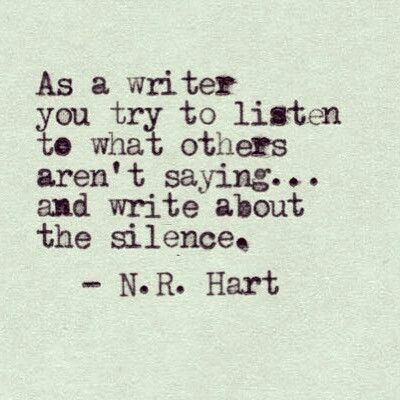
Happy Sunday, and happy writing!
#sundaywritingquotes
Happy Sunday, and happy writing!
#sundaywritingquotes
If you are partaking in NaNoWriMo, you might recognise this pattern well by now. You may even have made most of these statements at one time or another – and if you haven’t yet, rest assured, you will! It goes something like this:

Just know that every single one of us is also going through this same pattern too, so at least you are not alone. Roll with it, and keep writing!
Good luck x

If you are doing NaNoWriMo, you will know by now that just getting it done is a challenge. So in order to provide you with some inspiration to keep going, here are 8 bestsellers that started out as NaNoWriMo projects.
Water for Elephants, by Sara Gruen. Yes, the book that was on the best-seller lists for over a year, that was so popular that you read it in three different book clubs, and was turned into a movie starring Reese Witherspoon and Robert Pattinson, started as a NaNo novel. This book is easily one of the biggest NaNoWriMo success stories, except for maybe…
The Night Circus, by Erin Morgenstern. The buzz for this best seller was everywhere in 2011, and judging by its rapturous reviews and strong sales (not to mention the fact that the movie rights were snapped up by the producers of the Harry Potter films), the hype was warranted. Not bad for something that began as 50,000 words of unconnected scenes and imagery. What eventually became The Night Circus began life in 2004, seven years before it was finally published.
Fangirl, by Rainbow Rowell. Granted, Rowell had already published her first novel, Attachments, and sold her second, Eleanor & Park, when she sat down to write Fangirl in 2011. And though the book ended up being double the 50,000-word monthly goal, she credits the exercise for forcing her to dive into the world of her story and characters like never before, producing “some of the bravest writing” she’s ever done.
Wool, by Hugh Howey. Howey’s dystopian sci-fi novel is one of those credited with putting self-publishing on the map: after selling tens of thousands of ebooks directly to readers, he signed a six-figure deal with a major publisher. Wool was originally issued as five separate novellas; Howey wrote three of them (and even published one!) in November 2011.
The Darwin Elevator, by Jason M. Hough. Hough’s first NaNoWriMo attempt resulted in a 50,280-word novel that “fell apart” after one good chapter. His second eventually became a New York Times best seller, the first in a trilogy of sci-fi thrillers that has earned the author comparisons to recent Hugo Award–winner John Scalzi.
Cinder, Scarlet, and Cress by Marissa Meyer. Each of the three books in Meyer’s successful YA series of futuristic reimaginings of classic fairytales began as NaNoWriMo projects. How’s that for consistency?
Hopefully, proof that all your pain can amount to something positive will have reignited those burning desires that got you taking part in the madness in the first place. Now, back to the writing desk with you!
***
Via: https://www.barnesandnoble.com/blog/8-best-sellers-started-during-national-novel-writing-month/

Happy Sunday, and happy writing!
#sundaywritingquotes

Every month, the Writer’s Bone crew reviews or previews books they’ve read or want to read. This series may or may not also serve as a confessional for guilty pleasures and hipster novels only the brave would attempt. Here are their recommendations for November 2017:
Click on the links above for a detailed synopsis of each book, or follow the following link to see what the Writer’s Bone crew had to say: http://www.writersbone.com/book-recommendations/2017/11/8/18-books-that-should-be-on-your-radar-november-2017

Boyfriends come and go, best friends move away, and family drive you crazy…. but books, unlike people, are always reliable. If you’re a true bibliophile, than books will already have a special place in your life. You constantly surround yourself with them, and unlike your romantic partner’s crap, you never get mad when you find them laying around the house. You make sure that no matter where you go, you go together, and you always go to bed holding onto a book. Even if you’re at work or out with friends, you’re mind constantly wanders back to the same thing: books. You just can’t help it, they’re always on your mind and you miss them when you’re apart. Try as you might, but there’s no denying it: books are your true love, and one of the best relationships you have.
No matter how great your girl gang is or how wonderful the new love interest in your life may seem, you can’t escape the truth: your relationship with them will never be the same as your relationship with your books. Not sure if you believe me? Then here are 11 reasons that the best relationships are with books.
While your partner hogs the blanket and snores in your ear, books never do that to you. Sure, they may leave lines on your face when you fall asleep reading, but can you really blame the books? You’d much prefer waking up to find yourself surrounded in novels than in your partner’s drool.
When books make you cry, which they do often, they are also the ones there to catch your tears, and they do it without complaining about how you look when you cry, or telling you to blow your nose.
If you spend your Friday nights cruising the fiction aisle with a few new books in your arms, then chances are you have a better relationship with books than you do the friends you ditch on weekends to stay home and read. Hey, no judgement here.
Whether it’s on the train to work, on vacation, or just out to the bar, you and books go everywhere together. You’d never dream of leaving the house without one, unlike your partner who you don’t mind leaving behind for some alone time with your new novel.
From the subtle romance to the hot-and-heavy sex scenes, books always find a way to give you all the good feelings. Can you still say that about the partner who shamelessly burps and farts in your presence? Yeah, I didn’t think so.
You can truly tell if you like someone (okay, something) if you find yourself having a lot of one-on-one time together. In the case of books, there’s plenty of that.
Your books understand they aren’t the only one, and unlike your romantic partners, they never get jealous when you’re juggling multiple books at once. They understand your unquenchable need for good storytelling, and they never judge.
You can get as mad at you want at your books for having terrible plot twists or for killing off your favourite characters, but yell as loud as you can, and books will never raise their voice to you. They’re here for you, to let you vent, and isn’t that what we all want in a relationship?
At brunch, when you’re out shopping, or on a girl’s night out, the story is always the same: you cannot shut up about the book you’re reading. Whether you’re friends asked or not, you can’t help but gush over your current selection, and you don’t even care if anyone is listening. You won’t hide your love, no matter how many eye rolls you get.
It doesn’t matter where you’ve been, or who with, books are always happy to see you at the end of the night. Because the best relationships are the ones you can count on, always.
Whether you’re at work or out with friends or even laying around with your partner, you can’t help but let your mind wander back to the same thing: books. They’re always on your mind. True love? I’d say so.
Via: https://www.bustle.com/articles/11-signs-books-are-the-best-relationships

Tackling NaNoWriMo, but feel as though you need all the help you can get? I’ve got 10 winning NaNoWriMo strategies that any writer can use to make it to their 50,000-word goal. Even if you’ve never even heard of NaNoWriMo until right at this moment, I’ve got you covered.
Every November, hundreds of thousands of people across the globe buckle down to write a 50,000-word novel in 30 days. What began as a writing contest between friends has grown into a huge non-profit organization that provides creative-writing materials to schools and libraries around the U.S. In addition to its flagship event, NaNoWriMo now hosts Camp NaNoWriMo in April and July, which offer participants more flexibility than the November session.
I’m not going to sugarcoat it: NaNoWriMo is not easy. Fifty-thousand words may not seem like a lot, but squeezing it into 30 days can be a nightmare if you’re not prepared to take on this particular beast. At the end of the month, your manuscript may look nothing like a bestseller, but you should at least have a firm foundation on which you can build your dream novel.
Here are 10 winning NaNoWriMo strategies to help you reach your target:
NaNoWriMo manuscripts have a lot of… potential. At 50,000 words, your novel will probably still need roughly 30,000 words, at the very least, to make it marketable to literary agents. It will be a whole lotta rough, with a few diamonds buried deep inside it, and you will still have weeks of editing and re-writing and re-editing ahead of you.
Don’t get discouraged by this. Just accept it as part of the process and keep moving forward. Your novel won’t be pretty when these 30 days are up, but that’s no reason to give up on it. Just remember that this is the worst your manuscript will ever be, and keep writing.
You have more free time than you think you do! You just have to find your writing time and commit to it.
I like to use a calendar to block out my time for the week in 30-minute increments. Black out your work hours, mealtimes, and any other commitments you have, and you’ll see what kind of time you have left to work with.
Pro tip: Leave yourself a few hours of free time each day, so that you can veg out if you need to, and also so that you can work for longer on your NaNoWriMo manuscript on the days that you’re really feeling it.
Believe me, I know how hard this is. Turning off your Internet makes about as much sense as shutting off your water or electricity. If you can’t turn off your Internet entirely, there are plenty of less extreme options that will have the same effect.
App-blockers, such as Freedom and SelfControl prevent you from accessing your favourite time-wasters during your writing periods. For $20, you can download Write or Die 2: a unique word processor that forces you to keep writing – or else.
For those of you who cannot be trusted with a computer or Internet-connected device at all, there are still distraction-free ways of getting your NaNoWriMo manuscript written. Lifehacker recommends purchasing an old word processor off the Internet, because its drawbacks, such as only displaying four lines at a time keep you focused on writing instead of editing (see Point No. 1 above). If you want a sleeker, more expensive experience, the Freewrite smart typewriter may be the word processor for you.
Of course, there’s also nothing wrong with good old fashioned pen and paper…
I’m sure plenty of writers out there recognise this struggle: You sit down to work on your manuscript, but find yourself so easily distracted that you decide you cannot work until the dishes/laundry/dinner/taxes are done. But the next day, when you’re faced with an hour-long wait without your laptop, you’re chomping at the bit to get back to writing.
We’ll tackle the problem of environmental distractions in Point No. 9 below, but for now, let’s focus on ways that you can take your manuscript with you everywhere, so that an unexpected wait doesn’t derail your writing plans.
If you purchase a word processor or use pen and paper, you’re already good to go. Just make sure to take your novel-writing tools along with you wherever you may roam.
Don’t like those options? You should already be in the habit of backing up your novel on a flash drive that’s kept in a safe place, but having a duplicate drive that you carry on your person will allow you to work on your manuscript in any Internet cafés or computer labs you may pass. You might also consider using Google Docs or Dropbox instead of Microsoft Word, as Docs are accessible from any Internet-connected device, and can be exported as .PDFs and .DOC files.
NaNoWriMo divides writers into two categories, Plotters and Pantsers, but there’s a wide spectrum between the two. Plotters plan out as much of their novel as possible before NaNoWriMo begins, in the hopes that all their planning will prevent writer’s block and keep them motivated to finish.
Pantsers, on the other hand, fly into NaNoWriMo by the seat of their pants. They might have some idea of what they intend to write about, such a genre they wish to write, the specter of a main character, a vibrant snapshot of a particular scene, or even a loose concept of what will happen over the course of their story, but they haven’t outlined their novel or written extensive character profiles.
First-time Wrimos, you may not know which of the two you are, and that’s OK. Neither of these approaches is wrong. Every writer works differently, and some authors straddle the line between plotting and pantsing.
If you have some time before NaNoWriMo begins, it never hurts to come up with at least a general concept for your novel, but please don’t let time constraints or pre-writing block prevent you from participating. The NaNoWriMo message boards have lots of resources and support for Pantser success, so there’s no harm in simply diving in headfirst.
In order to reach your 50,000-word goal in 30 days, you need to write 1,667 words per day, or about seven pages. This may or may not sound like a daunting task, depending on your past writing experiences, but I will tell you that it’s quite difficult to keep up your 1,667-word habit every single day for 30 days straight. Things happen: people get sick, cats need to be fed, work days run long. Most NaNoWriMo participants will find themselves falling behind their daily targets at some point during the month.
The easiest way to fight back against that word-count behemoth is to try to write more than your daily goal as often as possible. Some people like to crank out 10,000 words on their first day, just to get ahead of the curve. If you can keep up that pace, you can defeat the NaNoWriMo behemoth in a week or less. Even if you can’t, those extra words will come in handy when something inevitably disrupts your writing flow later in the month.
You already know that your NaNoWriMo draft is going to be crappy, so why not try new things this month? You could throw in an experimental chapter, write meta-fiction, even construct your entire novel based on suggestions from writing prompt Twitter bots or TV Tropes’ “Random Trope” button. Seriously, spend a month playing in the big writing sandbox, and tell me you don’t feel better about your skills as a writer.
The next 30 days will be stuffed full of fun writing events to keep you on-track and entertained. NaNoWriMo hosts virtual write-ins and writing sprints for its worldwide community of writers, and you can also connect with liaisons in your area to find IRL meetups. Participate in any and all of these that you can. You’ll make new writing friends to keep you accountable, and you’ll have an incentive to write hard for the duration of every event.
There’s nothing worse than sitting down to write and realising that something, anything, isn’t right in your environment. Even the most laid-back writers find their sessions derailed by little nuisances.
Make your writing space comfortable ASAP, but don’t let the pursuit of the perfect writing space prevent you from churning out your 50,000 words! The goal is to make your dedicated writing area livewithable. If you can live – and write – without vacuuming/organising/refinishing, then do so!
So clean out the cobwebs, dust the shelves, set your light levels and speaker volume, and for the love of all that is decent and holy, make sure your coffee mug is clean, because you need to be writing, not keeping house, for the next 30 days.
Raymond Chandler, the author of The Big Sleep, famously said of writing: “When in doubt, have a man come through a door with a gun in his hand.” That’s Chandler’s Law, and you should never forget it.
These days, it might seem a little corny to have someone randomly appear, brandishing a firearm, especially if you’re writing high fantasy, or historical fiction of a certain age. But here’s the thing: There’s no way to get stuck when you’ve pulled out this card; having a man rush in with a gun forces you to keep writing. Use it as often as you like, because this is NaNoWriMo, and it should be fun.
Best of luck!
Via: https://www.bustle.com/10-writing-strategies-any-writer-can-use-nanowrimo

Happy Halloween! 👻🎃🕸

Sure, there are a few impressive male horror writers out there (I hear this Stephen King guy is a real up and comer), but most of the stories that truly give me waking nightmares are penned by women. Perhaps it’s because women already know the horror of living under the patriarchy, or because many women (though certainly not all) have bodies that do things like bleed and give birth to small screaming demons, but women-centric horror seems to be particularly brutal. Here are a few deliriously creepy books written by women (but you might want to keep the lights on).
Women have been writing horror for a long time, too. Cool goth teen Mary Shelley kick-started the modern horror genre with Frankenstein, which just so happened to also start our modern genre of science fiction (because everything you love was invented by teen girls). Shelley also learned how to write her name by tracing the letters on her mother’s grave, because she is more goth than you. Since that first story of reanimated corpses and irresponsible scientists, horror has evolved from Gothic novels of adventure and woe to creepy modern stories that will crawl under your skin and keep you up at night. Here are just some of the must-read horror stories by and about women:
Merricat Blackwood lives in a big house with her beloved sister and her confused uncle. Everyone else in their family is dead. As we get to know Merricat, our narrator, and her strange world of make-believe, we start to get the sneaking suspicion that something is a bit… off with the Blackwood family. Or perhaps very off. We Have Always Lived in the Castle is quite simply a masterpiece of creepy tension, culminating in a plot twist that will make you want to hide under the covers.
The haunted house is a pretty standard horror trope. But in Helen Oyeyemi’s hands, the haunted house becomes a beautiful, emotional punch to the gut. White is for Witching is the story of the Silver family, who are trying to recover from a tragic loss. The daughter, Miranda, seems to be manifesting her grief by hearing women in the walls and developing a newfound appetite for chalk, until the dark night that she vanishes completely.
Rebecca is about as classically creepy as you can get. At first glance, our heroine seems to be living in a romance novel: she’s a lowly orphan maid who’s been swept off her feet by dashing widower Maxim de Winter. Great, right? But once she arrives at Mr. de Winter’s enormous country estate, she begins to realise that the previous Mrs. de Winter might be threatening to destroy her marriage from beyond the grave.
Possession in a house of sugar. A marble statue of a winged horse that speaks to a little girl. Arsonist children who lock up their own mothers. A little dog who can record dreams. I don’t know where Silvina Ocampo gets her bizarre, surrealist ideas, but her short stories are brilliant and creepy as hell.
You can’t talk about lady horror authors without talking about Mary. Frankenstein was not technically the first Gothic novel, but a lot of our horror tropes started with this one weird book. If you only know the Hollywood version, check out the original novel: it still holds up as the creepy, gut-wrenching story of one mad scientist who was also a terrible father to his corpse baby.
Ten strangers, each with their own dark and complicated past, find themselves invited to the same island for an eccentric millionaire’s party. But surprise: there’s no party, and the guests keep dying, one by one, in all sorts of inventive ways that also just so happens to be written in a poem on the wall. And Then There Were None combines everything you love about the game Cluedo with everything you love about Saw, and it’s a must-read for all horror fans.
Deenie and Eli Nash are typical high school kids: Deenie the diligent student and Eli the hockey star and popular jock. But when Deenie’s best friend has some sort of seizure in the middle of class, the Nash family find themselves in the middle of a growing hysteria. There is some spreading contagion in this idyllic suburban town, and no one knows where it came from, or how to stop it.
The word “body” is already pretty horrifying. Asa Nonami’s Bødy takes it a step further, though, with thematically linked stories of straight up body horror. Each of the five stories focuses on someone’s perception of a body part, covering the buttocks, blood, face, hair and chin, and each story is more chilling than the next.
Gracetown is a sleepy little town in rural Florida, so you know something creepy is about to go down. In Ghost Summer, Tananarive Due weaves together one novella and several short stories to tell us of both literal and figurative ghosts. Her stories look at the people affected by the strange and paranormal and, in at least one tale, even take on the monster’s perspective.
Don’t think poetry can be horrifying? Try reading Linda Addison. How to Recognize a Demon Has Become Your Friend includes both fiction and poetry, and both will give you the sneaking suspicion that someone is watching you from the crack in the closet door. Here you’ll find young witches, UFOs, land sharks, and a haunting look at Halloween paranoia.
Guy Haines and Charles Anthony Bruno are passengers on the same train. They both have people in their life who are giving them grief. They both kind of wish those people would go away. So they figure… why not help each other out with a little outsourced murder? Strangers on a Train is more in the thriller/mystery vein than typical horror, but Highsmith’s ability to get inside a murderer’s mind is about as creepy as it gets.
Time traveling serial killers. Time traveling serial killers. Harper Curtis is a man from another time, and Kirby Mazrachi is a girl who isn’t supposed to have a future. Harper is meant to kill all of the “Shining Girls” throughout history, but Kirby is determined to bring him to justice. Half horror thriller, half sci-fi mystery, The Shining Girls will keep you guessing as Kirby draws closer to the impossible truth.
For a short horror read that will utterly ruin your entire life, try Joyce Carol Oates’ Where Are You Going, Where Have You Been? It’s loosely based on a real life serial killer (so that’s fun), but it’s also kind of about the devil. The entirety of Oates’ creepiest story revolves around a strange man called Arnold Friend trying to coax a young woman into his car. That’s it, that’s the whole plot. But it’s so stomach-churning, so chilling, so next-level creepy that Arnold Friend will stay with you for a long, long time.
Happy reading!
***


Happy Sunday, and happy writing!
#sundaywritingquotes
 Writer's Blog